A CDU unit (Coolant Distribution Unit) in a data center is a liquid cooling infrastructure component that receives chilled water or coolant from a facility-level supply, conditions it to the precise temperature and pressure required by server racks, and circulates it directly to heat exchangers or cold plates mounted on processors. প্রথাগত এয়ার-কুলিং সিস্টেমের বিপরীতে যেগুলি গরম উপাদানগুলির মধ্যে ঠান্ডা বাতাসকে ঠেলে দেয়, একটি CDU ইউনিট তরলের মাধ্যমে তাপ স্থানান্তর করে, তাপ দক্ষতার স্তরগুলি অর্জন করে যা আধুনিক গণনা ঘনত্বে বায়ু কেবল মেলে না। অনুশীলনে, একটি ভাল-ইঞ্জিনিয়ারড CDU ইউনিট র্যাক তাপ লোড অতিক্রম করতে সহায়তা করতে পারে 100 kW per rack , while the best air-cooled deployments rarely sustain more than 20–25 kW per rack before facing hot-spot problems.
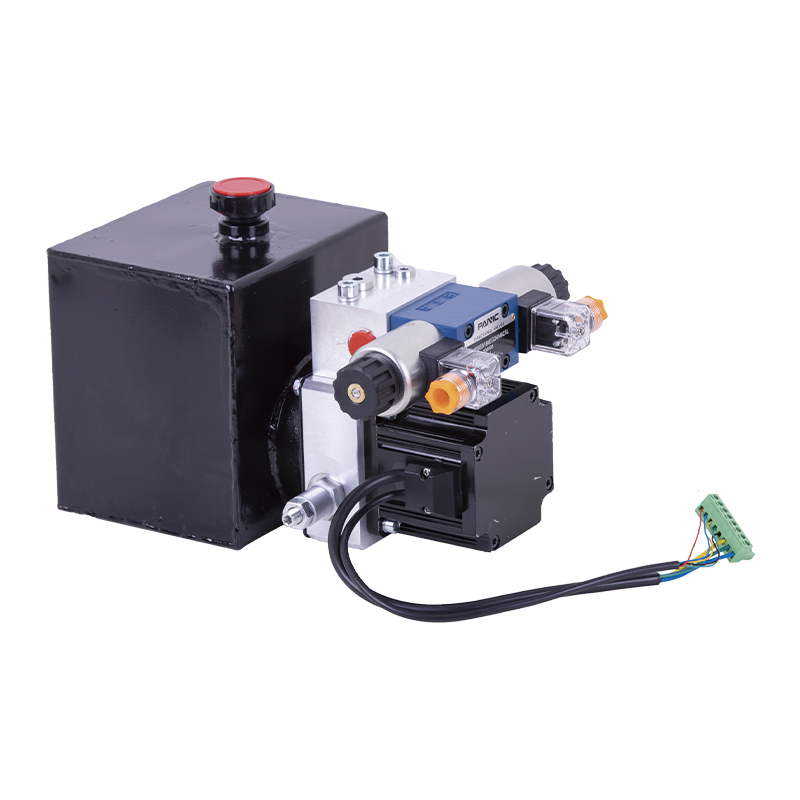
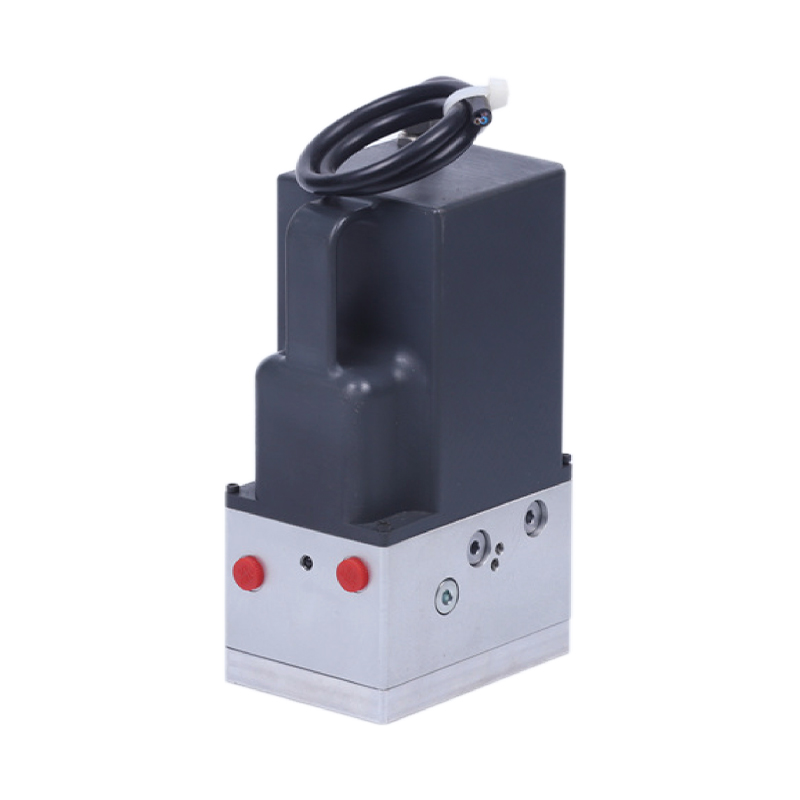
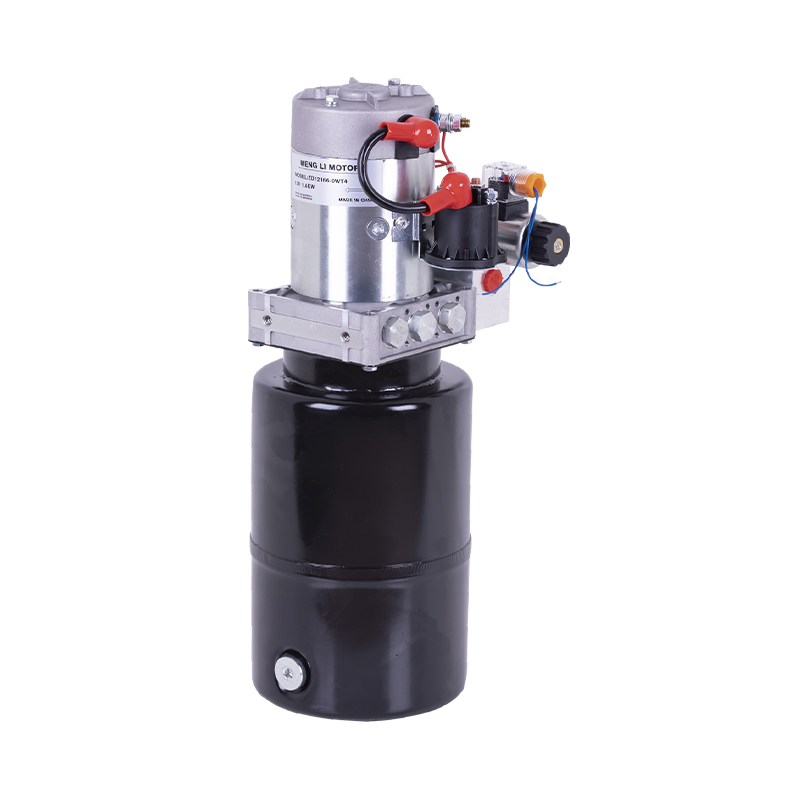
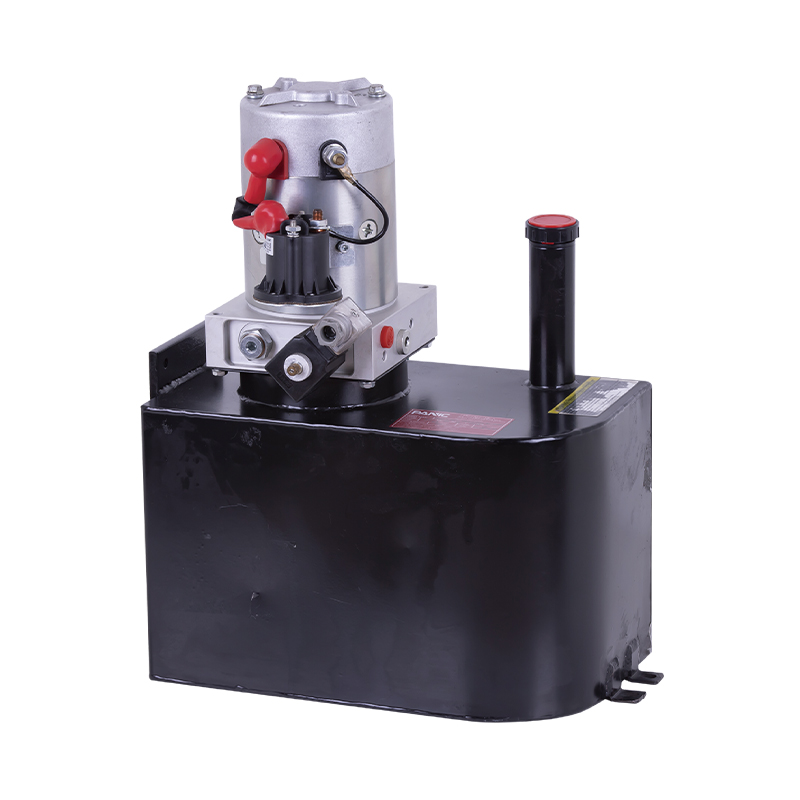
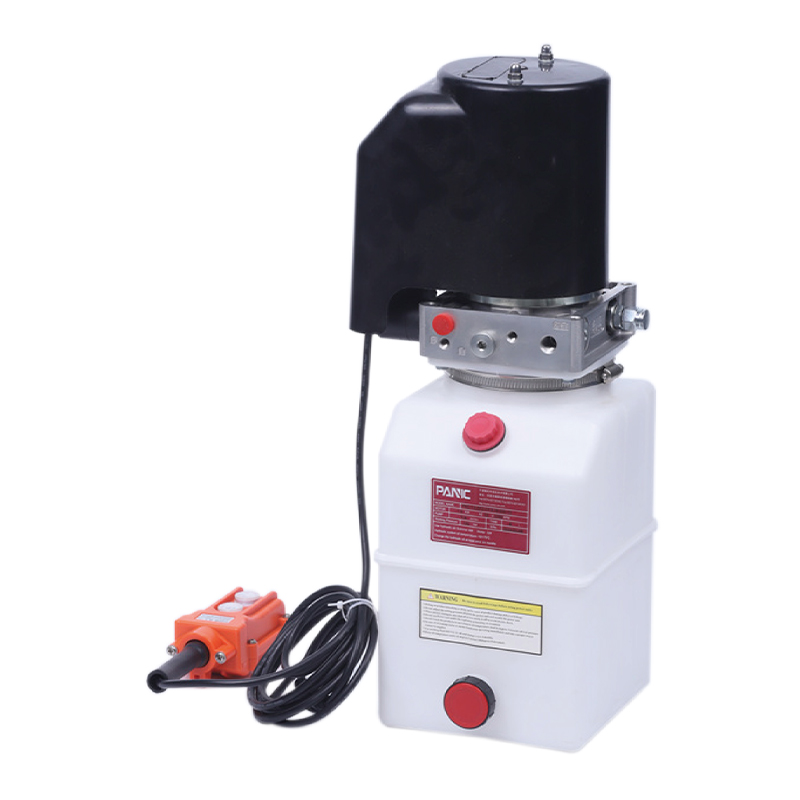
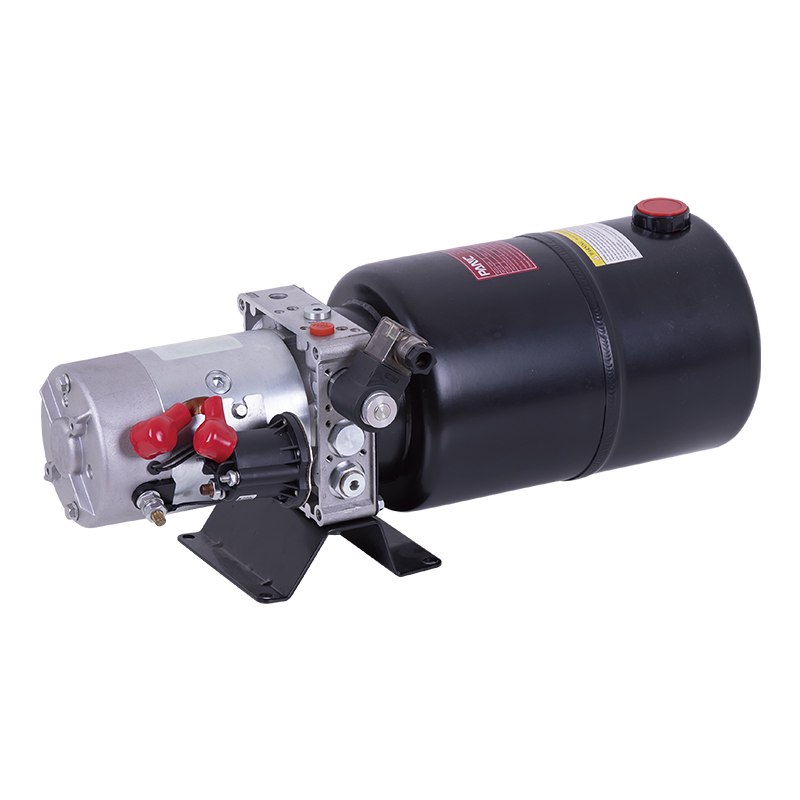
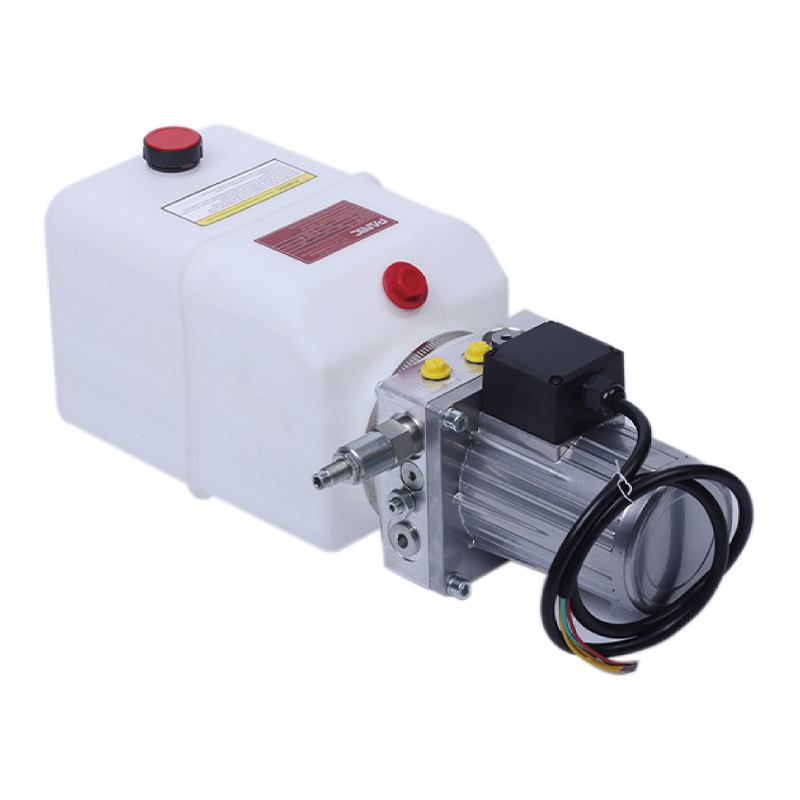
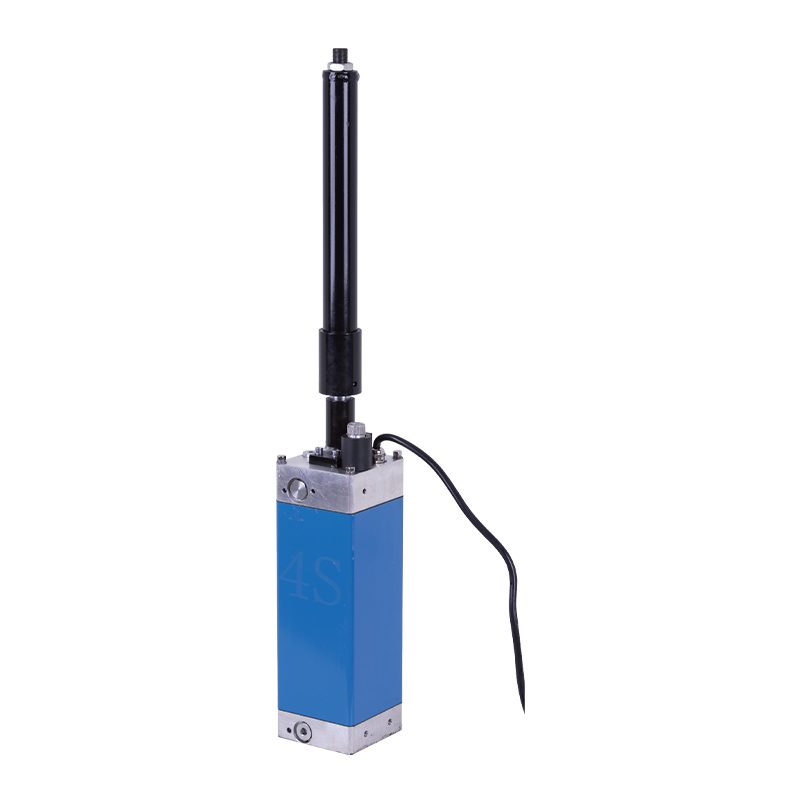
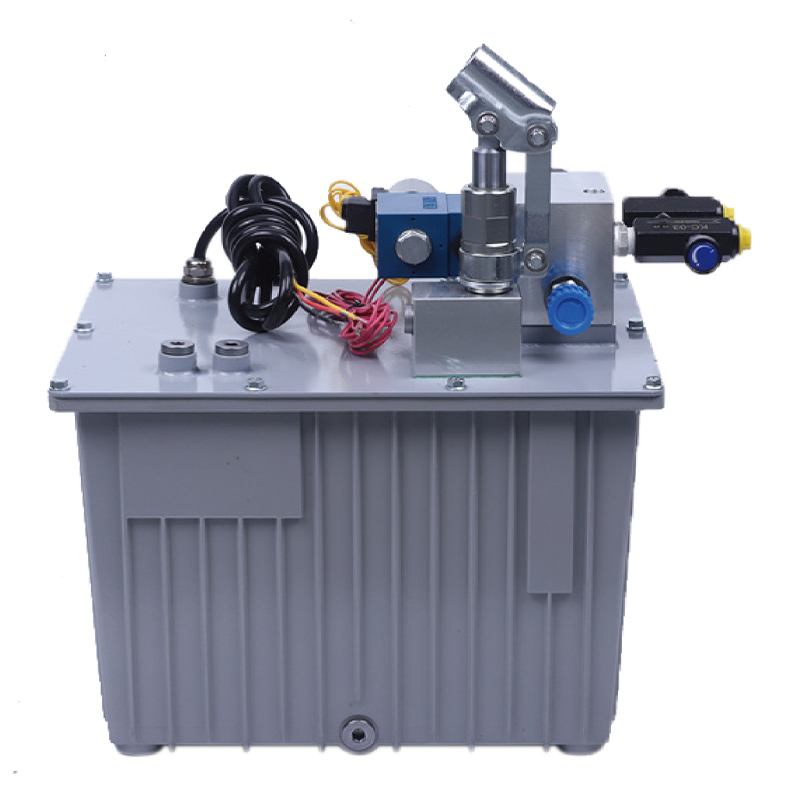
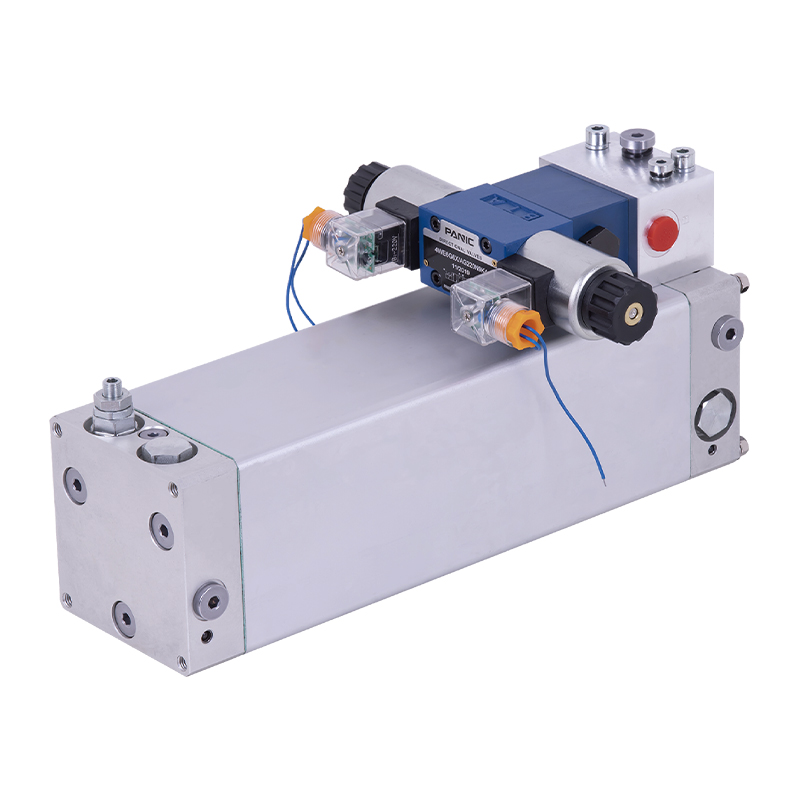
The distinction between a CDU unit and a DC hydraulic power unit is worth clarifying from the outset. একটি ডিসি হাইড্রোলিক পাওয়ার ইউনিট যান্ত্রিক কার্যকারিতার জন্য চাপযুক্ত হাইড্রোলিক তরল তৈরি এবং নিয়ন্ত্রণ করতে বৈদ্যুতিকভাবে চালিত হাইড্রোলিক পাম্প ব্যবহার করে — যা শিল্প অটোমেশন, সিএনসি যন্ত্রপাতি এবং প্রেস সিস্টেমে সাধারণ। একটি ডেটা সেন্টারে একটি CDU ইউনিট একটি মৌলিকভাবে ভিন্ন উদ্দেশ্য পরিবেশন করে: এটি কম্পিউটিং সরঞ্জাম থেকে বর্জ্য তাপ অপসারণের জন্য অস্তরক বা জল-ভিত্তিক কুল্যান্টের প্রবাহ, তাপমাত্রা, চাপ এবং পর্যবেক্ষণ পরিচালনা করে। Both involve fluid dynamics and precision control, but their operational environments and design philosophies differ significantly. Confusing the two can lead to misspecified equipment orders and costly installation errors.
The growing adoption of AI accelerators, GPU clusters, and high-density storage has pushed average rack power densities from roughly 7 kW in 2015 to estimates of 30–50 kW per rack by 2025 for hyperscale and colocation facilities deploying next-generation workloads (source: Uptime Institute Global Data Center Survey 2023). এই ঘনত্বগুলিতে, CDU ইউনিটগুলি আর ঐচ্ছিক নয় — এগুলি হল ভিত্তিগত অবকাঠামো স্তর যা নির্ধারণ করে যে কোনও ডেটা সেন্টার শারীরিকভাবে তার গ্রাহকদের প্রয়োজনীয় হার্ডওয়্যার রাখতে পারে কিনা।
How a CDU Unit Works: Fluid Circuits, Heat Exchange, and Control Logic
CDU ইউনিট অপারেশন বোঝার জন্য দুই-লুপ আর্কিটেকচারের দিকে তাকানো প্রয়োজন যা বেশিরভাগ আধুনিক ডিজাইন ব্যবহার করে। প্রাথমিক লুপটি CDU-কে বিল্ডিংয়ের ঠাণ্ডা জলের পরিকাঠামো বা ছাদে শুকনো কুলারের সাথে সংযুক্ত করে। The secondary loop — sometimes called the facility-side and IT-side loops respectively — circulates coolant at the temperature and flow rate the servers actually need. A plate-and-frame heat exchanger inside the CDU transfers heat between the two loops without allowing them to mix, which protects IT equipment from the chemical additives and contaminants present in building water systems.
Primary Loop (Facility Side)
- Chilled water supply typically at 7–18°C
- Higher chemical treatment concentrations
- Managed by building management system (BMS)
- Feeds multiple CDU units across the data hall
Secondary Loop (IT Side)
- Supply temperature controlled to ±0.5°C
- Deionized or demineralized water preferred
- Flow rate adjusted per rack load via variable-speed pumps
- Integrated leak detection on manifolds and quick-connects
The control logic inside a CDU unit continuously monitors supply and return water temperatures, differential pressure across the heat exchanger, pump speed, flow rate through each rack manifold branch, and ambient conditions. When a GPU cluster suddenly spikes to full compute load, the CDU's PID controllers increase pump speed within seconds and open modulating valves to deliver additional cooling capacity. এই গতিশীল প্রতিক্রিয়া একটি কারণ তরল-ঠান্ডা ডেটা সেন্টার টিকিয়ে রাখতে পারে higher average utilization rates — the cooling system adapts in real time rather than relying on oversized static air volumes.
Modern CDU units also expose their sensor data to the data center's DCIM (Data Center Infrastructure Management) platform via Modbus TCP, BACnet, or SNMP. এই টেলিমেট্রি শক্তি ব্যবহারের কার্যকারিতা (PUE) গণনা এবং ক্ষমতা পরিকল্পনা ড্যাশবোর্ডগুলিতে ফিড করে। A facility running CDU units with active DCIM integration can typically achieve a PUE between 1.03 and 1.15 , সমতুল্য এয়ার-কুলড সুবিধার জন্য 1.4–1.6 এর তুলনায় (উৎস: গ্রীন গ্রিড টেকনিক্যাল ফোরাম, লিকুইড কুলিং হোয়াইট পেপার WP#49, 2022)।
CDU Unit vs. ডিসি হাইড্রোলিক পাওয়ার ইউনিট: Key Differences Engineers Must Know
Because the term "CDU" appears in multiple industries and "hydraulic power unit" overlaps conceptually with any fluid-driven system, procurement engineers, facility managers, and system integrators occasionally request a DC hydraulic power unit when they actually need a data center CDU unit — or vice versa. The table below summarizes the critical differences so that specification documents can be written accurately from the start.
| প্যারামিটার | CDU Unit (Data Center) | DC Hydraulic Power Unit |
| Primary fluid | Water / water-glycol / dielectric fluid | Hydraulic mineral oil or synthetic fluid |
| Operating pressure | 1–6 bar (low-pressure cooling circuits) | 50–350 bar (high-pressure actuation) |
| প্রাথমিক ফাংশন | Heat removal from computing equipment | Mechanical actuation (clamp, lift, press) |
| পাওয়ার সাপ্লাই | AC three-phase (pump motors); DC for controls | DC motor directly driving hydraulic pump |
| কন্ট্রোল ইন্টারফেস | BACnet, Modbus TCP, SNMP, REST API | Relay logic, PLC I/O, CAN bus |
| সাধারণ প্রয়োগ | Server rack cooling, HPC, GPU clusters | Industrial presses, CNC clamping, lift systems |
| তাপ এক্সচেঞ্জার | Central plate-and-frame HX inside CDU | Oil cooler (air-cooled or water-cooled) |
Table 1: Side-by-side comparison of CDU unit (data center) and DC hydraulic power unit specifications
One source of confusion is that some data center CDU manufacturers adopted terminology borrowed from industrial hydraulics — referring to their pump assemblies as "hydraulic modules" and their manifold networks as "distribution headers." This language overlap is understandable from an engineering standpoint, since both systems involve pressurized fluid circuits, variable-speed pumps, flow control valves, and pressure regulation. However, the end-use environments, fluid chemistries, and safety requirements are entirely different, which is why accurate specification language matters at the procurement stage.
Types of CDU Units Used in Modern Data Centers
Not all CDU units are architecturally identical. The right choice depends on the data center's existing chilled water infrastructure, the target rack density, the cooling approach (direct liquid cooling vs. rear-door heat exchangers vs. immersion), and whether the facility is a new build or a retrofit. Below are the main categories in current deployment.
Row-Level CDU Units
Row-level CDU units are installed at the end of a server row and serve a defined number of racks — typically 6 to 20 racks per unit. They connect to overhead or under-floor chilled water mains and distribute coolant through a manifold to individual rack cold plates or in-row rear-door heat exchangers. Row-level deployment is the most common architecture in enterprise and colocation data centers upgrading from air cooling, because it allows incremental rollout without redesigning the entire facility. Cooling capacity per row-level CDU unit typically ranges from 50 kW to 300 kW , depending on the number of pump circuits and heat exchanger sizing.
Rack-Integrated CDU Units
র্যাক-ইন্টিগ্রেটেড CDU ইউনিটগুলি একটি একক সার্ভার র্যাকের ভিতরে বা শীর্ষে সরাসরি মাউন্ট করা হয়। They handle the cooling loop for that one rack only, making them suitable for ultra-high-density deployments such as AI training nodes where a single rack may draw 60–120 kW. Because the CDU is co-located with the load, supply and return pipe runs are minimal, reducing both pressure drop and installation labor. The trade-off is that each rack requires its own CDU unit, increasing per-unit capital cost and multiplying the number of facility water connections.
Central Campus CDU Units
Large hyperscale facilities sometimes deploy a central CDU unit room that serves an entire data hall or multiple halls simultaneously. সেন্ট্রাল সিডিইউ ইউনিটগুলি বৃহত্তর পরিসরে প্রকৌশলী হয় — কিছু ইউনিট পরিচালনা করে 1 MW or more of heat rejection — and interface directly with chillers, cooling towers, or free-cooling economizers. This architecture simplifies facility-level control and maintenance but requires more complex pipe distribution networks and higher upfront civil engineering investment.
Immersion Cooling CDU Units
Single-phase and two-phase immersion cooling systems use a CDU unit to circulate dielectric fluid through tanks in which servers are fully submerged. The CDU in this context is often called a Fluid Distribution Unit (FDU), but the core function is identical — temperature regulation, flow control, and heat rejection to a facility water loop. Immersion-type CDU units must handle fluids with significantly different viscosity, specific heat, and material compatibility requirements compared to water-based systems. Two-phase immersion systems add a condensation recovery circuit to the CDU design, increasing mechanical complexity but enabling near-zero sensible heat loss.
Key Specifications to Evaluate When Selecting a CDU Unit for a Data Center
একটি ডেটা সেন্টার প্রকল্পের জন্য একটি CDU ইউনিট কেনার জন্য একই সাথে একাধিক আন্তঃনির্ভর পরামিতি মূল্যায়ন করা প্রয়োজন। A unit optimized for one metric — say, maximum cooling capacity — may underperform on energy efficiency or maintainability if other specifications are not balanced correctly. নিম্নলিখিত প্যারামিটারগুলি উদ্ধৃতির জন্য প্রতিটি CDU ইউনিট অনুরোধে উপস্থিত হওয়া উচিত (RFQ)৷
01
Cooling Capacity (kW)
Total heat rejection capability at rated flow rates and design inlet temperatures. সর্বদা ক্ষমতা বক্ররেখার জন্য অনুরোধ করুন — সরবরাহের জলের তাপমাত্রা বৃদ্ধির সাথে সাথে কিভাবে kW আউটপুট পরিবর্তিত হয় — শুধুমাত্র সর্বোচ্চ চিত্র নয়। A CDU unit rated at 200 kW with 14°C supply water may deliver only 140 kW if the facility chilled water temperature rises to 18°C during a hot summer day.
02
Supply Water Temperature Range
CDU units designed for warm-water cooling (supply at 18–45°C) can leverage free cooling from cooling towers or dry coolers without mechanical refrigeration, dramatically reducing energy cost. Units requiring supply temperatures below 12°C typically need active chiller support year-round, which increases operational expenditure significantly.
03
Flow Rate and Pressure Drop
The CDU unit must deliver adequate flow to all connected racks while staying within the pressure limits of the cold plate manifolds. Typical IT-side flow rates range from 20 to 120 liters per minute for a row-level CDU. ইউনিটের হিট এক্সচেঞ্জার এবং অভ্যন্তরীণ পাইপওয়ার্ক জুড়ে চাপের ড্রপ সর্বাধিক প্রবাহে নির্দিষ্ট করা উচিত।
04
Pump Redundancy Configuration
Enterprise and mission-critical data centers require N 1 or 2N pump redundancy within the CDU unit. A single-pump CDU unit has no failover capability — if the pump seizes, cooling to the connected racks stops immediately. N 1 configurations with automatic standby pump activation are the minimum for Tier III and Tier IV data center classifications.
05
Leak Detection and Containment
CDU units should incorporate point-of-connection leak sensors at each rack manifold, flow-rate anomaly detection, and automatic shutoff valves that isolate a leaking branch without interrupting cooling to adjacent racks. The CDU unit's chassis should also include a drip tray with a float sensor as a last line of defense against water damage.
06
Communications and Telemetry
Specify which protocols the CDU unit's controller natively supports: Modbus RTU, Modbus TCP/IP, BACnet/IP, SNMP v2/v3, or proprietary REST API. Verify that the unit exposes all critical sensors — supply and return temperatures, individual branch flow rates, pump speed, and fault codes — so that DCIM software can build a complete thermal model of the facility.
CDU ইউনিট ইনস্টলেশন: পাইপ রাউটিং, কমিশনিং, এবং কমন পিটফলস
Even a correctly specified CDU unit will underperform or fail prematurely if the installation is poorly executed. The following points represent lessons learned from actual liquid-cooled data center deployments and are worth including in project specifications and contractor briefing documents.
Pipe Flushing Before Connecting IT Equipment
নতুন তামা বা স্টেইনলেস-স্টীল পাইপ সিস্টেমগুলি তৈরির সময় ফ্লাক্সের অবশিষ্টাংশ, ধাতব কণা এবং নির্মাণের ধ্বংসাবশেষ জমা করে। If this contamination enters the cold plates on servers or GPU cards, it can block micro-channels with internal diameters as small as 0.5–1.5 mm , reducing cooling performance and potentially voiding the hardware warranty. The CDU unit's secondary loop must be flushed with deionized water at high velocity and filtered through 5-micron absolute filters until turbidity and conductivity readings meet the manufacturer's specification before any IT equipment connection is made.
Air Purging and Degassing
Air trapped in liquid cooling loops causes pump cavitation, reduces effective heat transfer at cold plates, and accelerates corrosion through oxygen exposure. CDU units should be installed with automatic air vents at all high points in the distribution manifold. The initial fill procedure must include a slow fill-and-vent cycle repeated until the circulation loop is fully degassed — a process that can take several hours on a large row-level deployment.
Water Chemistry Management
The CDU unit's secondary loop requires ongoing water quality management. Key parameters to monitor include pH (target range 7.0–8.5 for copper-containing systems), conductivity (typically less than 50 µS/cm for systems with direct cold plate contact), dissolved oxygen (below 20 ppb to minimize corrosion), and biological contamination. Some operators add biocide and corrosion inhibitor packages; অন্যরা CDU ইউনিটের বাইপাস সার্কিটে স্থাপিত আয়ন বিনিময় রজন বেডের মাধ্যমে ক্রমাগত ডিওনাইজেশনের উপর নির্ভর করে।
Thermal Expansion Compensation
Liquid cooling pipes expand and contract as temperatures cycle between power-on and shutdown states. For a 20-meter run of copper pipe cycling between 18°C and 45°C, the linear expansion is approximately 9 mm (তাপ সম্প্রসারণের তামার সহগ ~17 µm/m·°C)। Expansion loops or flexible braided stainless connectors must be incorporated at regular intervals to prevent stress buildup at pipe joints, which is the most common cause of slow leaks in aging liquid cooling installations.
Energy Efficiency Benefits of CDU Units Over Air Cooling
The business case for installing CDU units in a data center ultimately rests on energy cost savings, increased compute density, and hardware reliability improvements. Each of these factors is quantifiable, which makes the capital expenditure justification straightforward for facilities facing cooling capacity constraints.
40%
Typical reduction in cooling energy consumption when switching from raised-floor air cooling to CDU-based direct liquid cooling at equivalent rack loads (source: ASHRAE TC9.9 Liquid Cooling Guidelines, 2021).
5x
Increase in supportable rack density per square meter of data hall floor space achievable with CDU-based liquid cooling versus traditional computer room air conditioner (CRAC) deployments.
15°C
Reduction in average processor junction temperature achievable with direct liquid cooling cold plates versus air cooling at the same TDP, which correlates to extended component life and reduced thermal throttling events.
The water economy advantage of CDU units is equally significant. A data center using a CDU unit with a closed-loop dry cooler on the roof can achieve a Water Usage Effectiveness (WUE) approaching 0.0 শীতল জলবায়ুতে যেখানে শুকনো কুলার বাষ্পীভবন ছাড়াই পরিচলনের মাধ্যমে সম্পূর্ণরূপে তাপ প্রত্যাখ্যান করতে পারে। এটি ক্রমবর্ধমান গুরুত্বপূর্ণ কারণ পৌরসভাগুলি জলের চাপযুক্ত অঞ্চলে ডেটা সেন্টার অপারেটরদের উপর জল ব্যবহারের বিধিনিষেধ আরোপ করে৷
From a carbon footprint standpoint, the PUE advantage of CDU-based cooling translates directly into lower Scope 2 emissions. If a data center draws 10 MW of IT load and improves its PUE from 1.5 to 1.1 by deploying CDU units, the 4 MW reduction in overhead power consumption — assuming a grid carbon intensity of 0.4 kg CO2/kWh — prevents the emission of approximately 14,000 tonnes of CO2 per year . For organizations with published net-zero commitments, this kind of infrastructure-level efficiency gain is one of the most direct levers available.
CDU Unit Maintenance: Schedules, Procedures, and Lifecycle Management
A CDU unit installed in a data center is expected to operate continuously for 10–15 years with minimal downtime. এই পরিষেবা জীবন অর্জনের জন্য ইউনিটের যান্ত্রিক এবং ইলেকট্রনিক উভয় উপ-সিস্টেমকে কভার করে একটি কাঠামোগত রক্ষণাবেক্ষণ প্রোগ্রাম প্রয়োজন।
| রক্ষণাবেক্ষণ টাস্ক | ফ্রিকোয়েন্সি | কী অ্যাকশন পয়েন্ট |
| Water chemistry analysis | মাসিক | pH, পরিবাহিতা, দ্রবীভূত O2, বায়োসাইড ঘনত্ব, বাধার মাত্রা |
| Y-strainer / filter inspection | ত্রৈমাসিক | Clean or replace filter elements; inspect for metallic particulates |
| Pump mechanical seal inspection | বার্ষিক | Check for seal weeping; replace if leak rate exceeds manufacturer threshold |
| তাপ এক্সচেঞ্জার performance test | বার্ষিক | Compare current kW/delta-T to baseline; fouling factor increase over 20% triggers chemical cleaning |
| Control valve actuator test | অর্ধ-বার্ষিক | Full stroke test; verify response time and end-stop positions |
| Leak detection sensor calibration | বার্ষিক | Wet-test each sensor with deionized water; verify alarm relay activation |
| Expansion vessel pre-charge pressure | বার্ষিক | Check nitrogen pre-charge against design specification; re-pressurize if more than 0.2 bar below target |
Table 2: Recommended maintenance schedule for data center CDU units
ভেরিয়েবল-স্পিড পাম্প ড্রাইভ (ভিএসডি) হল একটি সিডিইউ ইউনিটের মধ্যে সর্বোচ্চ-মূল্যের উপাদান এবং বিশেষ মনোযোগের নিশ্চয়তা দেয়। ভিএসডি-চালিত সেন্ট্রিফিউগাল পাম্পগুলিতে বিয়ারিং পরিধান সাধারণত ওয়েইবুল বিতরণকে অনুসরণ করে, বেশিরভাগ ব্যর্থতার পরে ঘটে 25,000–40,000 operating hours (approximately 3–5 years of continuous operation). Scheduling bearing replacement as a preventive maintenance task at the 30,000-hour mark avoids the much more disruptive scenario of an unplanned pump failure in an active data hall.
বিদ্যমান ডেটা সেন্টার অবকাঠামোতে CDU ইউনিটকে একীভূত করা
Retrofitting CDU units into a data center that was originally designed for air cooling is one of the most common and most technically demanding projects in the facility upgrade space. চ্যালেঞ্জগুলি একই সাথে কাঠামোগত, যান্ত্রিক, বৈদ্যুতিক এবং অপারেশনাল ডোমেনগুলিকে বিস্তৃত করে।
Assessing Chilled Water Availability
The first step is determining whether the existing chilled water plant has sufficient spare capacity to supply CDU units. Many older data centers were built with air handlers consuming the full chiller output. ঠাণ্ডা পানির প্ল্যান্ট আপগ্রেড না করে CDU ইউনিট যোগ করলে গ্রীষ্মের সর্বোচ্চ শীতল চাহিদার সময় চিলার ওভারলোড হবে। A reliable rule of thumb is that each CDU unit row serving 10 racks at 30 kW each requires approximately 300 kW of chilled water capacity প্লাস একটি 20% নিরাপত্তা মার্জিন, তাই মোট 360 কিলোওয়াট, ডিজাইন সরবরাহ তাপমাত্রায়।
Pipe Penetrations and Structural Loads
Running chilled water supply and return pipes from the mechanical room to the data hall floor requires penetrations through fire-rated walls and floors. Each penetration must be fire-stopped with intumescent materials that restore the fire rating of the structure. The weight of filled pipe runs — a 100 mm diameter pipe filled with water weighs approximately 9 kg per meter — must be accounted for in the ceiling structure loading calculations, particularly in older buildings not originally designed to carry wet services.
Phased Rollout Strategy
Rather than converting the entire data hall to liquid cooling at once, most operators adopt a phased approach: identify the two or three highest-density rows that are already approaching their air-cooling limits, install CDU units and manifolds for those rows first, validate performance and operational procedures, then expand row by row. This approach limits capital expenditure in any single budget cycle and gives operations staff time to develop competency with liquid cooling before it becomes the dominant infrastructure platform.
Training Operations Teams
Data center operations teams trained on air-cooled infrastructure often have limited familiarity with water chemistry management, pipe system commissioning, or liquid leak response procedures. Before a CDU unit deployment goes live, the operations team should receive hands-on training covering water sample collection and interpretation, emergency isolation valve locations and procedures, proper connection and disconnection technique for quick-release fittings, and how to interpret CDU unit alarms within the DCIM platform.
Future Directions: Where CDU Unit Technology Is Heading
The CDU unit market is evolving rapidly in response to AI infrastructure demands, sustainability mandates, and advances in fluid management technology. 3-7 বছরের দিগন্তের সাথে একটি ডেটা সেন্টার প্রকল্পের পরিকল্পনা করা যে কারো জন্য বেশ কয়েকটি প্রবণতা ট্র্যাক করার যোগ্য।
Warm-Water Direct Liquid Cooling
Server manufacturers including Intel, AMD, and NVIDIA are progressively increasing the maximum allowable coolant inlet temperature for their direct liquid cooling solutions — from 45°C in current generations toward 60°C in roadmap products. CDU units operating with 60°C supply water can reject heat to ambient air through dry coolers without any mechanical refrigeration, even in climates with outdoor temperatures up to 40–45°C, virtually eliminating cooling-related electricity consumption.
AI-Driven CDU Control
Next-generation CDU units are beginning to incorporate machine learning models that predict IT workload changes from DCIM telemetry and pre-condition coolant flow before compute demand peaks, reducing thermal overshoot. Early deployments at hyperscale campuses have shown pump energy reductions of 15–25% প্রচলিত পিআইডি নিয়ন্ত্রণের তুলনায়, আইটি ইনলেট তাপমাত্রার সীমা ছাড়িয়ে যাওয়ার কোনো বৃদ্ধি নেই।
Heat Reuse Integration
District heating networks in Scandinavia and Central Europe have begun accepting waste heat from data centers operating CDU units at higher return water temperatures (40–60°C). In Helsinki, Fortum's waste heat recovery program draws thermal output from data center CDU loops to heat residential buildings, with the data center receiving a financial credit that partially offsets CDU unit operating costs. As carbon pricing increases globally, heat reuse agreements are expected to become a standard component of CDU unit procurement discussions.
Standardized Manifold Interfaces
The Open Compute Project (OCP) and ASHRAE TC9.9 are collaborating on standardized quick-connect fittings and manifold dimensions that would allow CDU units from different manufacturers to interface with server hardware using a common connector. This standardization effort, if adopted broadly, would reduce the current lock-in effect that ties data centers to a single CDU unit vendor for the life of their cold plate hardware investment.